
Equality and Inclusion
Annual equality information reviewed: July 2026
Next annual review: July 2027
Equality objectives period: September 2026 to July 2030
Brimscombe C of E Primary School is committed to providing an inclusive environment in which every member of our school community is valued, treated fairly and supported to participate fully in school life.
We recognise our duties under the Equality Act 2010 and the Public Sector Equality Duty.
Protected characteristics
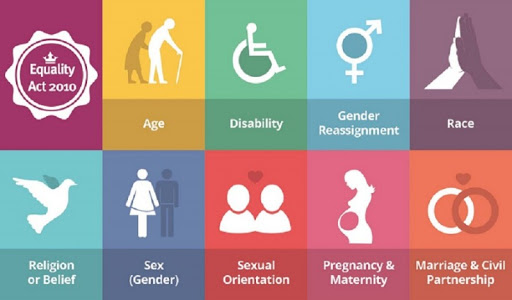
The Equality Act 2010 protects people from discrimination in relation to:
-
age, in relation to staff;
-
disability;
-
gender reassignment;
-
marriage and civil partnership, in relation to staff;
-
pregnancy and maternity;
-
race;
-
religion or belief;
-
sex; and
-
sexual orientation.
Information is considered and published proportionately. Where numbers are small, we do not publish information that could identify individual pupils, families or staff.
The Public Sector Equality Duty
When making decisions, developing policies and delivering education, the school gives due regard to the need to:
-
eliminate unlawful discrimination, harassment, victimisation and other conduct prohibited by the Equality Act 2010;
-
advance equality of opportunity between people who share a protected characteristic and those who do not; and
-
foster good relations between people who share a protected characteristic and those who do not.
How we complied with the duty during 2025–26
Eliminating discrimination, harassment and victimisation
During 2025–26, the school:
-
followed its behaviour, safeguarding, anti-bullying and complaints procedures;
-
recorded, investigated and responded to bullying, discriminatory language and prejudice-related concerns;
-
made reasonable adjustments for pupils with disabilities and additional needs;
-
reviewed accessibility through the school’s Accessibility Plan;
-
provided staff with safeguarding, SEND, behaviour and inclusion information and training;
-
considered equality when reviewing policies, provision and significant decisions; and
-
ensured that concerns could be raised by pupils, parents, carers and staff.
Leaders reviewed behaviour, safeguarding and bullying information. Where concerns arose, appropriate action, education and support were provided. Patterns and repeat incidents were considered so that further action could be taken where necessary.
Advancing equality of opportunity
During 2025–26, the school:
-
monitored attainment, progress, attendance, persistent absence, behaviour and participation for relevant pupil groups;
-
used pupil progress meetings and provision reviews to identify barriers and agree additional support;
-
implemented the graduated approach for pupils with SEND;
-
provided reasonable adjustments, adaptive teaching and targeted intervention;
-
worked with families and external professionals where further support was required;
-
considered access to trips, clubs, performances, leadership roles and wider school activities;
-
used pupil premium and other available resources to reduce identified barriers; and
-
improved access to appropriate spaces and resources, including provision supporting pupils’ sensory and emotional regulation.
This monitoring enabled leaders to identify pupils and groups at risk of poorer outcomes and adjust provision in response. Support was reviewed regularly and changed where it was not having the intended impact.
Fostering good relations
During 2025–26, the school:
-
taught pupils about respect, equality, diversity and positive relationships through PSHE, RSE, RE and the wider curriculum;
-
used collective worship, assemblies and the school’s Christian values to promote kindness, respect, courage, friendship and responsibility;
-
provided opportunities for pupils to learn about different cultures, religions, beliefs, families and experiences;
-
reviewed curriculum materials to improve representation and challenge stereotypes;
-
encouraged pupils to discuss their views through pupil voice and school leadership opportunities; and
-
challenged discriminatory language, prejudice and stereotyping when they occurred.
Pupil discussions, curriculum monitoring and behaviour information were used to evaluate pupils’ understanding. Pupils were taught how their words and actions affect others and how to respond respectfully to difference.
Equality information considered
To evaluate our compliance and determine our priorities, leaders and governors considered:
-
pupil attainment and progress;
-
attendance and persistent absence;
-
behaviour, bullying and prejudice-related incidents;
-
safeguarding information;
-
SEND provision and outcomes;
-
participation in clubs, trips, performances and leadership opportunities;
-
pupil, parent and staff views;
-
accessibility and reasonable adjustments;
-
curriculum representation; and
-
feedback from external professionals and agencies.
Information relating to protected characteristics is analysed where it is available, relevant and statistically meaningful. As a small school, some groups contain very few pupils. Detailed figures are therefore not published where they could identify individuals or lead to unreliable conclusions.
Equality objectives
These objectives have been selected in response to the school’s context and the evidence available. Progress will be reviewed annually by leaders and governors.
Objective 1: Improve attendance for pupils experiencing equality-related barriers
The school will reduce identified attendance and persistent-absence gaps affecting pupils with SEND or disabilities.
We will:
-
review attendance information for relevant groups at least termly;
-
identify barriers through early communication with families;
-
make reasonable adjustments where disability or additional need affects attendance;
-
coordinate support with appropriate external agencies; and
-
evaluate whether support is improving attendance.
Success measures:
-
identified attendance gaps reduce over time;
-
persistent absence reduces for the identified group;
-
individual attendance plans show appropriate action and review; and
-
pupil and parent feedback demonstrates that barriers have been understood and addressed.
Objective 2: Strengthen representation across the curriculum
Curriculum plans and resources will provide pupils with meaningful opportunities to encounter diverse people, cultures, beliefs, families and contributions across subjects.
We will:
-
complete an equality and representation audit of curriculum plans and resources;
-
identify gaps, stereotypes or limited representation;
-
strengthen representation through curriculum planning, texts, resources and visitors;
-
ensure representation is meaningful and relevant to subject content; and
-
use pupil voice and curriculum monitoring to evaluate impact.
Success measures:
-
every subject identifies relevant opportunities to promote equality and representation;
-
curriculum monitoring demonstrates broader and more purposeful representation;
-
resources avoid stereotypes and present protected characteristics appropriately; and
-
pupils can explain why equality, diversity and respect matter.
Objective 3: Improve equitable participation in wider school life
Participation by pupils with SEND or disabilities in extra-curricular activities, trips, performances and pupil leadership will be broadly in line with whole-school participation, where cohort sizes allow reliable comparison.
We will:
-
record and review participation information;
-
identify pupils or groups who may be underrepresented;
-
speak with pupils and families to understand barriers;
-
make reasonable adjustments and provide targeted encouragement;
-
consider financial, sensory, physical, communication and confidence-related barriers; and
-
evaluate the impact of actions taken.
Success measures:
-
participation gaps reduce over time;
-
reasonable adjustments are recorded and implemented;
-
a wider range of pupils participate in clubs, performances, trips and leadership; and
-
pupil voice shows that pupils feel welcomed, represented and able to participate.
Monitoring and accountability
The Headteacher is responsible for coordinating the school’s work on equality. Governors hold leaders accountable for meeting the Public Sector Equality Duty and for progress towards the published equality objectives.
Progress will be reviewed through:
-
termly analysis of relevant school information;
-
curriculum, behaviour and attendance monitoring;
-
pupil, parent and staff feedback;
-
SEND and accessibility reviews;
-
reports to governors; and
-
an annual review of the information published on this page.
Annual equality compliance information will be updated by July each year. The equality objectives will be formally reviewed and republished no later than July 2030.
Gender pay gap reporting
Brimscombe C of E Primary School employs fewer than 250 people and is therefore not required to publish gender pay gap information under the Equality Act 2010 (Gender Pay Gap Information) Regulations 2017.
The school has considered the government’s guidance for smaller employers and remains committed to equality of opportunity and fair, transparent pay arrangements.
Related information
The following documents and webpages provide further information about our approach:
-
Equality Policy,
-
Accessibility Plan;
-
SEND Information Report;
-
SEND Policy;
-
Behaviour Policy;
-
Anti-Bullying Policy;
-
Relationships and Sex Education Policy;
-
Safeguarding and Child Protection Policy;
-
Complaints Policy;
-
Pupil Premium Strategy Statement; and
-
school curriculum information.
Paper copies are available free of charge from the school office.